
Expertise and Approach
Having a comprehensive “hinterland” of methods, frameworks, models, processes and ways of understanding things is critical to effective intervention in an organisation.
At the same time, bringing a calm presence and creating a safe space for conversation about challenging issues is also vital.
My expertise and approach rests on the following 16 critical elements in combination:
1. Commercial and industrial experience in the private sector from early career to board level, principally but not solely in technologically-intensive engineering businesses, supplying to both private and public sector customers
2. Credibility and the ability to develop trust and confidence with senior people and other staff quickly and effectively and establish a “critical friend” or “trusted adviser” relationship
3. Development and implementation of strategy
4. Willingness to supply energy and drive; emotional commitment; to be respectfully impatient for the client; to bring a sense of urgency and pace (and avoid drift); to keep attention on the important as well as the urgent; and even to provoke
5. Extensive education and training in science, engineering (BSc and PhD), and management (MBA)
6. Experience in business creation and development, entrepreneurship, marketing and sales, key account / key partner management, and the ability to write persuasively and with clarity
7. Expertise in personal development and coaching
8. Expertise in leading organisational change and growth
9. Expertise in processes of group conversation and facilitation (and indeed mediation), and the personal presence to give effect to this in practice
10. Influence, deep listening, and structural understanding of interpersonal dynamics and teamwork
11. Understanding situations systemically and designing interventions, including in real time, based on that understanding
12. Perspectives drawn from experience with a broad range of organisations and situations
13. Programme management skills
14. Rapport and empathy with staff at all levels
15. A philosophy of identifying what needs to happen next and bringing energy and method to bear in that direction—in the jargon, having a “vision” for the client(s) and stimulating development to realise that vision; seeing what needs to be done that the client doesn’t know to ask for (or they would have done it already) and introducing that insight into the process
16. Practical solutions to provide “scaffolding” for new activities i.e. process detail
The combination of these capabilities results in a holistic and versatile approach, and the ability to seem both similar to and be accepted by the client organisation but also different enough to be stimulating, thought-provoking, and change-making – to walk the fine line, in other words, between pointless acceptance and outright rejection. At times, this requires the courage to say things that may be productively challenging or to bring a group back to a difficult point and accept that the relationship may be put at risk – to put the client’s need ahead of any desire to be liked.
If the scale or nature of a project requires it, a network of associates and specialist organisations can be drawn upon.
Our ability to lead our people – and indeed ourselves – is key to success, especially in a rapidly changing world. Management strength will take us so far, but leadership ability is what makes for sustainable organisations. I assist organisations and individuals to develop their leadership capability. This can cover many aspects. One central one is the ability to deal effectively with the person in front of you, at any given moment.
Get in touch to explore how David may be able to assist you and your organisation
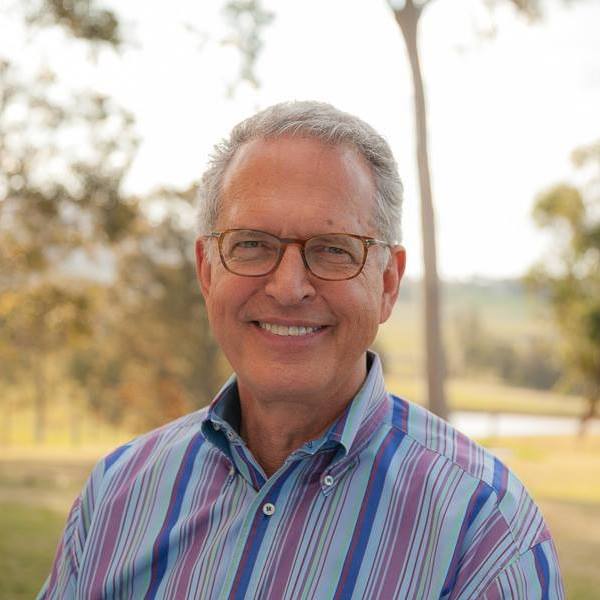
“In the context of change management, it’s not what you do that makes the difference, it’s who you are when you do what you do.”
Gene Early, Internationally recognised leadership and organisational development adviser
Sources
(some of whom are direct personal contacts)
Peter Senge, W. E. Deming (systems)
Chris Argyris (organisational learning)
Abraham Maslow, Carl Jung (practical psychology)
Alfred Korzybski, Virginia Satir, Milton Erickson, Richard Bandler, John Grinder, Robert Dilts, David Shephard, Sue Knight, Gene Early, and others (NLP)
William Ury, Ken Cloke (mediation)
Peter Thomson, Seth Godin (sales and marketing and the spread of ideas)
Stephen Covey, Wayne Dyer, Marianne Williamson (timeless wisdom)
David Bohm (dialogue)
Roger Schwarz (leadership team facilitation)
Barry Johnson (polarity management)
Marshall Goldsmith (leadership and coaching)
and many others
Testimonials
Resources
Strategic Leaders online workshop group
Join your fellow senior leaders for mutual interaction and insight in a monthly, 1.5-hour online group focusing on aligning your organisation around a settled sense of direction and strategy
Business Leaders’ online workshop group
Join a group of managing directors and CEOs meeting monthly to share experiences, discuss issues and learn new insights relating to a wide range of business issues (1.5 hours, once a month)
The Mastery of Leadership book
Being a great leader of other people starts with being a great leader of yourself. This book sets out my approach to that important starting point